Following the ancestors' traditions - ancient religions that still exist
How much do you know about religion? You've never heard about these ancient religions that are still followed around the world. Don't miss it!
There are so many religions we didn't even hear about. Lots of ancient religions passed away with our ancestors or changed a great bit. Surviving religions were adopted and now hardly resemble their origins. However, to their followers these religions mean a lot, as they preserve the ancestors' traditions.
Asatruarfelagid
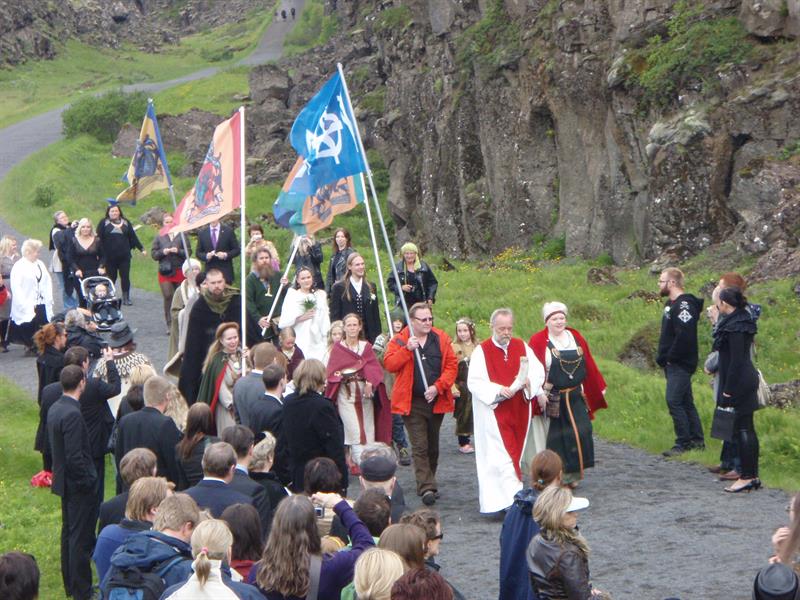
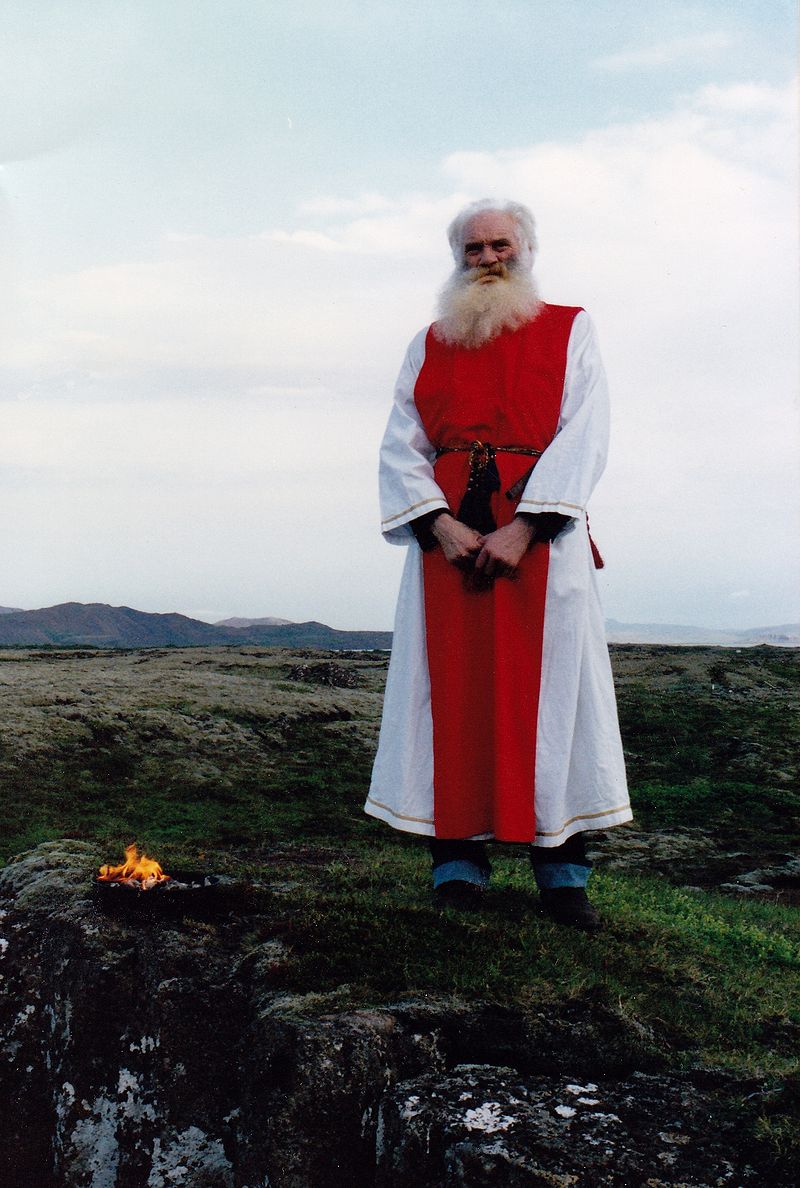
Today this religion has almost nothing in common with its ancient pagan origin. For the followers, this religion is more about connecting to their culture and ancestors than about believing in ancient myths.
Mari

Nowadays, almost all traditions and rituals of the Mari were somehow changed under the influence of Christianity.
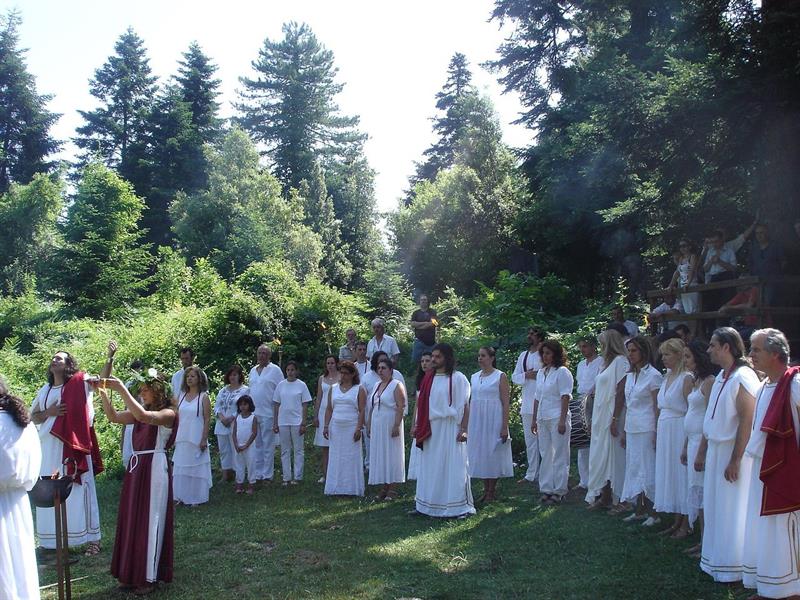
Hellenism (The Return Of The Hellenes)
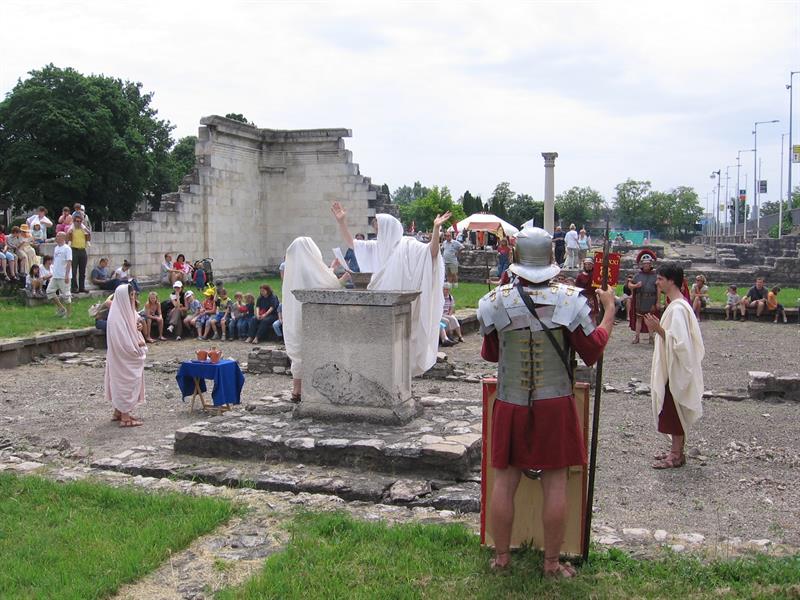
Nova Roma
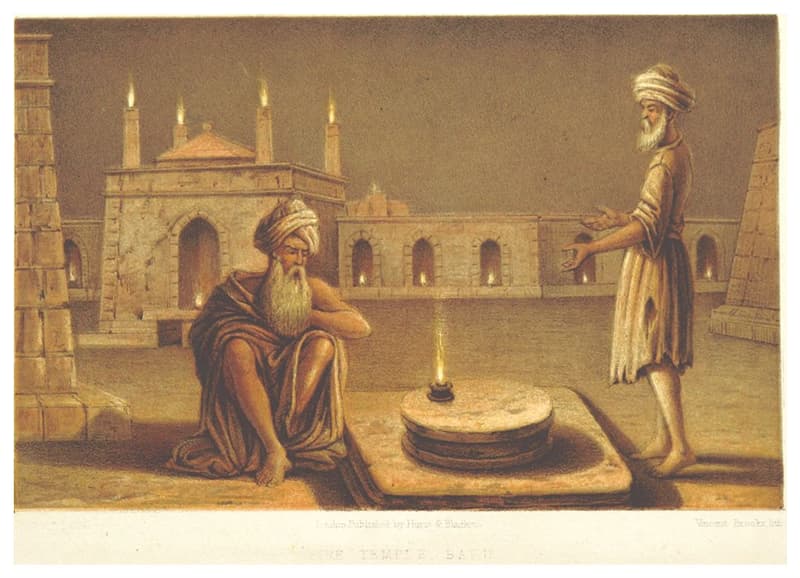
Zoroastrianism
Nahua
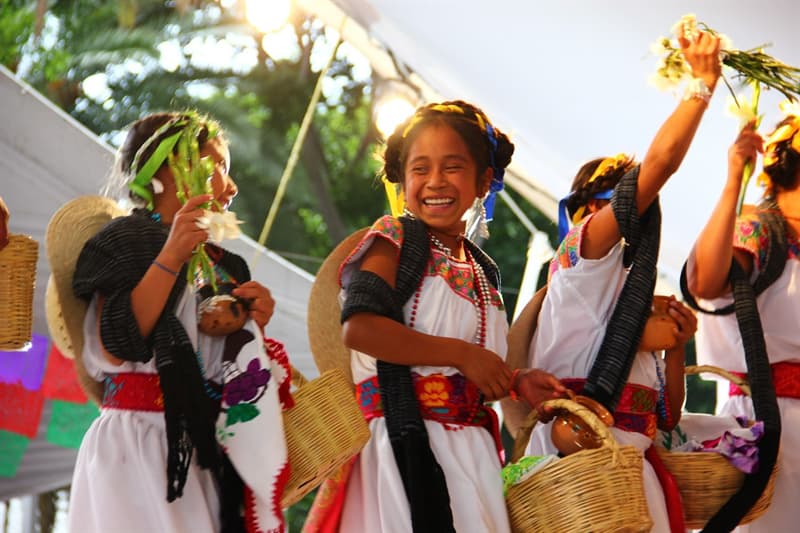
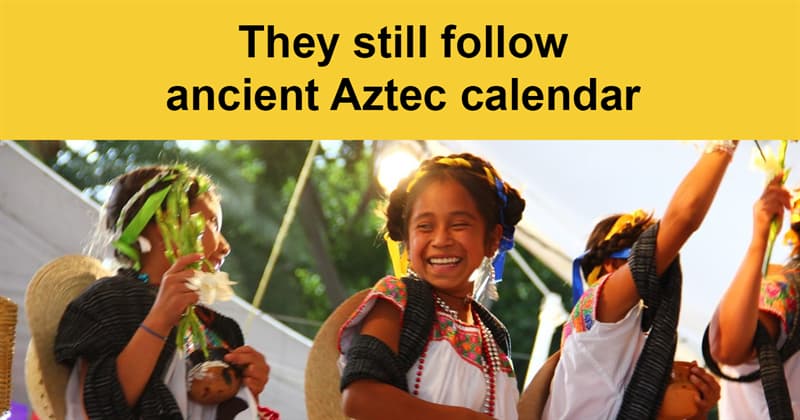
These people have some strange traditions too. For example 5 men attached to ropes climb a pole. One of them stands on the top of it and plays the drums. The others jump down and let the ropes spin them around the pole. They make 52 turns around it. This symbolizes the 52-year cycle of the ancient Aztec calendar.
Romuva
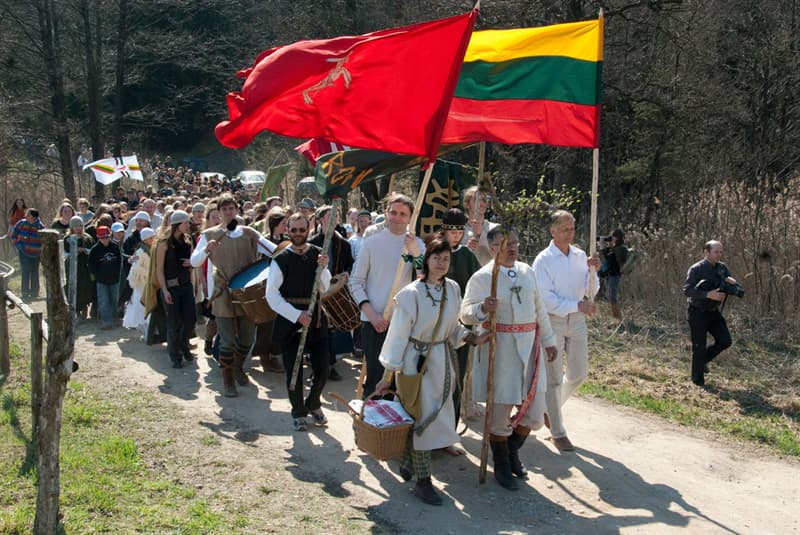
Today, Romuva still exist in Lithuania and now recognized as a “non-traditional religion” of the country. It's also gradually spreading around the globe.
Did you know about these religions? What do you think about them? Share your opinion in the comments below.
SHARE this article with your friends!












Faits intéressants
La francophonie au Canada va-t-elle disparaitre ?
06/04/2020

À l'extérieur du Québec? C'est fort possible.
Les passeports avec le plus de destinations
03/04/2020

Le top 10 des meilleurs passeports pour voyager
Comment se fait-il que les peuples orientaux aient des yeux en amande ?
10/04/2020

La forme en amande typique des populations asiatiques est due à une série de facteurs anatomiques.