7 things you might not know were invented by women
15.07.2019
7 157 показов
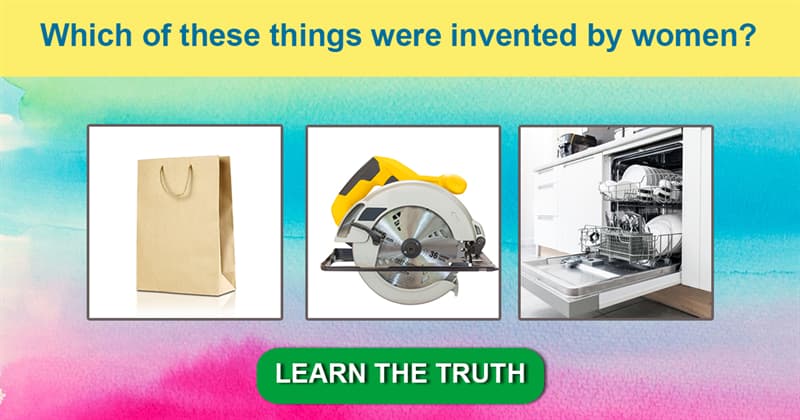
We use some of these things everyday, but we are still unaware of their origin. Let's find out which popular items were invented by talented women you've never heard of.
#1 Mary Anderson – the first operational windshield wiper
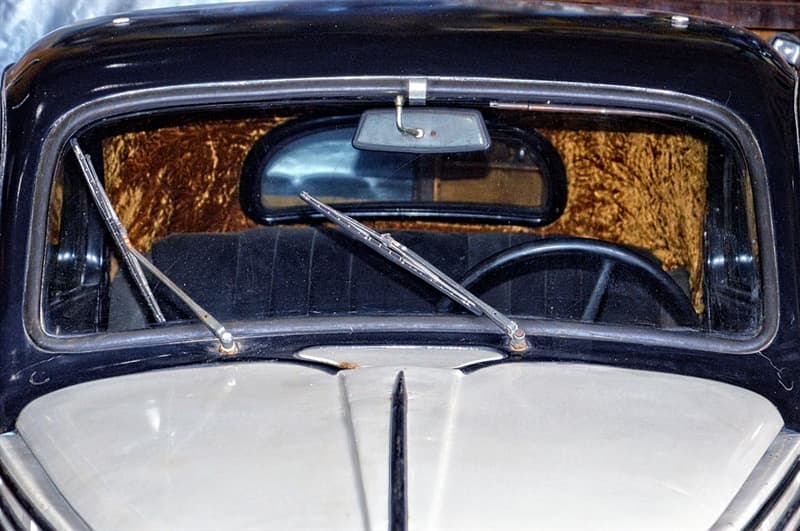
Mary Anderson, a real estate developer born in Alabama, wasn't even a driver. During her visit to New York city in 1903, she was surprised to find out how much of a struggle it was for a trolley car driver to see through the windshield in a snowy day. He would get out and try to clean it off all the time, which caused a lot of delays. This got Anderson thinking: what if there was a device that could help the drivers?
When Mary got home, she hired a designer and started working on this. The same year, she was granted a 17-year patent for a windshield wiper. It consisted of a rubber blade that was operated by the lever inside the vehicle. Anderson's invention became the first one of the kind to be effective.
When Mary got home, she hired a designer and started working on this. The same year, she was granted a 17-year patent for a windshield wiper. It consisted of a rubber blade that was operated by the lever inside the vehicle. Anderson's invention became the first one of the kind to be effective.
#2 Margaret E. Knight – the flat-bottomed paper bag
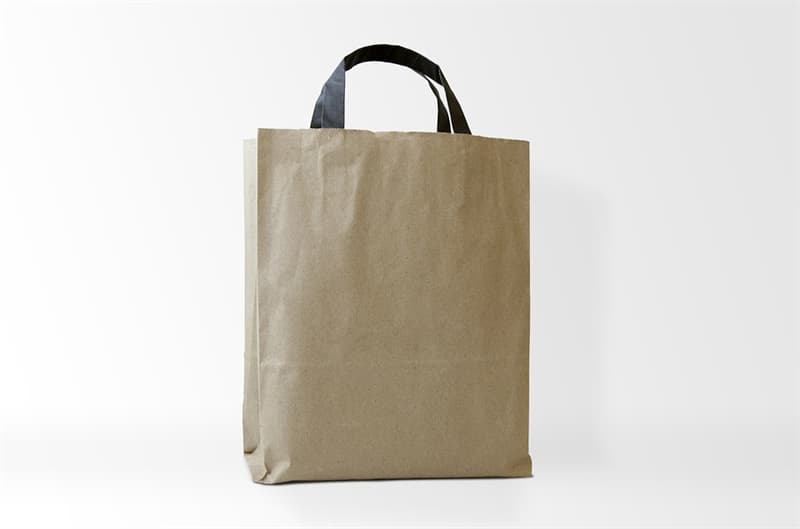
Before Margaret's 1868 invention, paper bags used to look more like envelopes. Working for the Columbia Paper Bag Company, she built a wooden prototype of the machine that folded and glued paper to form paper bags similar to those we use today.
A man named Charles Annan tried to steal Knight's invention: he saw the concept, built the similar machine and even patented it. In 1871, Margaret filed a lawsuit and was awarded the patent. Except that, Margaret invented many other useful devices, including a numbering machine, lid removing pliers, and a window frame and sash.
A man named Charles Annan tried to steal Knight's invention: he saw the concept, built the similar machine and even patented it. In 1871, Margaret filed a lawsuit and was awarded the patent. Except that, Margaret invented many other useful devices, including a numbering machine, lid removing pliers, and a window frame and sash.
#3 Josephine Cochrane – the dishwasher

Cochrane built the first commercially viable dishwasher with the help of the mechanic George Butters. The machine used the water pressure to clean the dishes, which marked it out from other modern dishwasher prototypes. Cochrane received the patent in 1886 and presented the machine at the 1893 World's Columbian Exposition in Chicago. Many companies were interested in it, and by 1950s the dishwasher became a common household item in the US.
#4 Tabitha Babbitt – the circular saw
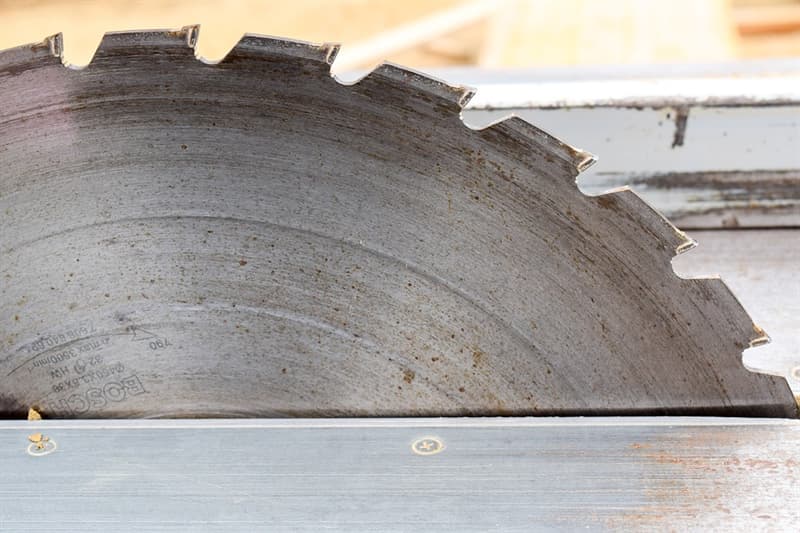
Tabitha Babbitt was a member of the Shaker community and an inventor. In those days, workers used the two-man whipsaw which was poorly performing – it only cut when pulled forward. Tabitha wanted to help the community, so, in 1813, she made a saw and attached it to her spinning wheel. She never patented the circular saw, but it was actively used by others since then.
#5 Lizzie Magie – Monopoly
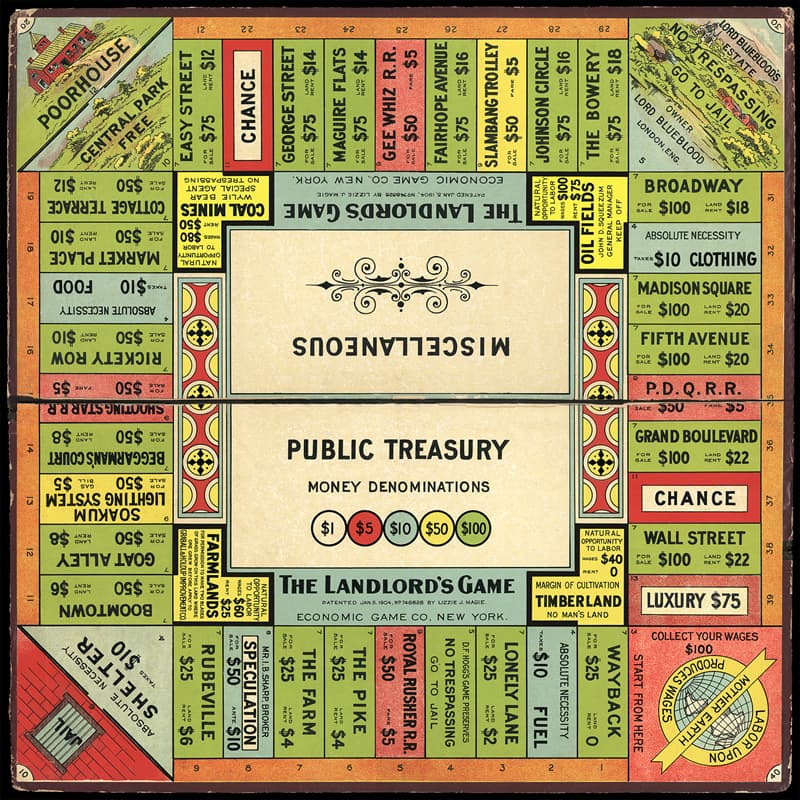
Elizabeth Magie, an American game designer and Georgist, invented 'The Landlord's Game' which became popular among her friends in Maryland. In 1904, she was granted a patent. 'The Landlord's Game' was meant to spread the economic theory of Georgism and teach the players the dangers of land monopolism.
Four versions of the game published by Magie were a success with left-wing academics, but only the monopolistic version became popular among the general public. 30 years later, an inventor named Charles Darrow altered the board and sold his version to Parker Brothers. They bought Magie's patent for the game for $500 and no royalties. They promised to continue to produce Magie's anti-monopolist original game, but never did.
Four versions of the game published by Magie were a success with left-wing academics, but only the monopolistic version became popular among the general public. 30 years later, an inventor named Charles Darrow altered the board and sold his version to Parker Brothers. They bought Magie's patent for the game for $500 and no royalties. They promised to continue to produce Magie's anti-monopolist original game, but never did.
#6 Bette Nesmith Graham – liquid paper

Bette Nesmith Graham invented this helpful substance in her kitchen. She used it herself to cover her typos made on a typewriter. Graham spent several years improving the formula and patented it in 1958. In 1979, she sold her company to Gillette for $47.5 million!
#7 Jeanne Villepreux-Power – Aquarium
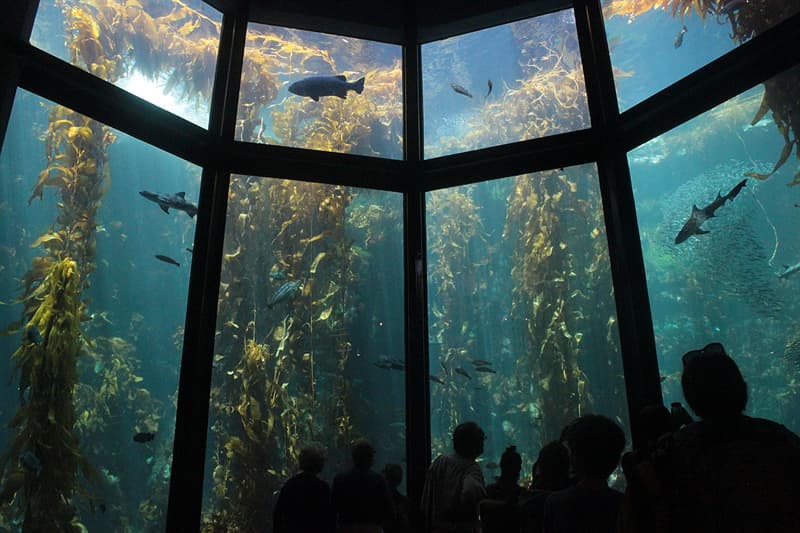
In 1832, Villepreux-Power, a naturalist from France, was studying the paper nautilus: she wanted to prove that it grows its own shells instead of taking them from other creatures. To observe the organisms and find the proof, she designed the first aquarium. Villepreux-Power was later referred to as "Mother of Aquariophily."
Was this information new for you? Would you add any other inventors to this list?
SHARE this article with everyone who loves HISTORY!
Что вы думаете по этому поводу?
31 Comments

Michael Neal Johnson
You left out Heddy Lamar, who created spread spectrum technology. She developed it during WW II, but it wasn't used until the early sixties. It is what makes cell phone technology possible.
Grant McIntosh
#6 Bette Nesmith Graham – liquid paper.....the mother of The Monkees' Mike Nesmith.

hector tubens
Women are simply amazing and can do just about anything a man can do.....even better!!!
Linda Kazala Dionisio
I am not surprised that these are inventions from women as they are often more connected to simplifying ordinary day tasks! Finally, Credit where Credit is due!
Linda Spreng
These were all impressive creations, but ... Hedy Lamarr's contribution was spectacular. Nobody expected (or wanted to admit) that such a beautiful woman could possibly develop anything even remotely that important ... silly woman. HA!!

Allan Berry
Yes, Hedy Lamarr was an obvious omission!
Lane Klompas
Left out Marie Curie

Gail
Bette Nesmith Graham who invented Liquid Paper was/is the mother of Mike Nesmith of The Monkees!
Scott
The list is endless, but what about ice cream maker, life raft and most important computer algorithms, etc etc etc

Cindy Ursan
Women RULE ❤️

Clarence Quismundo
Michael Neal Johnson, agreed absolutely. She should be first in the list. If she was duly paid her royalties, she would probably be a billionaire.

francesswanson
loved it.

tbear
Michael Neal Johnson, I was sure she would be mentioned! Very disappointed! 👎😞
Lupe Hernandez
weathernco, Jealousy is ugly!
namiphi
We are beautiful and brilliant!
namiphi
Very informative and a confirmation for all the men who didn't know what we have always known.
brat
weathernco, do you have a problem with the police? It would appear the is YES!

Audrey
InDeed❣️❣️❣️❣️
True Facts💯💯💯
pardette
Grant McIntosh, I thought she was his grandmother.
Интересные факты
Quel dialecte de l'arabe moderne est le plus proche de l'arabe classique littéral ?
15.04.2020

Tous les dialectes ont évolué avec des sustrats locaux.
Pourquoi le Roi de France s'appelait-t-il dauphin
20.03.2020
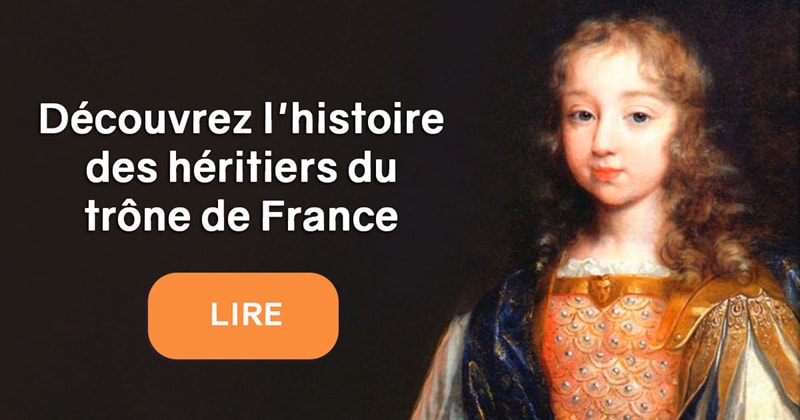
Ce titre allait plutôt aux princes héritiers du trône, et plus précisément aux descendants directs du roi.
Les Grecs avaient-ils des noms de famille ?
18.03.2020

Est-il possible de trouver chaque personnalité qui vous intéresse ?
Comment dit-on le mot "maison" dans les différentes langues d'Europe ?
14.04.2020

En français on l'appelle Maison.
Pourquoi l’homme ne retourne-t-il pas sur la Lune ?
25.03.2020
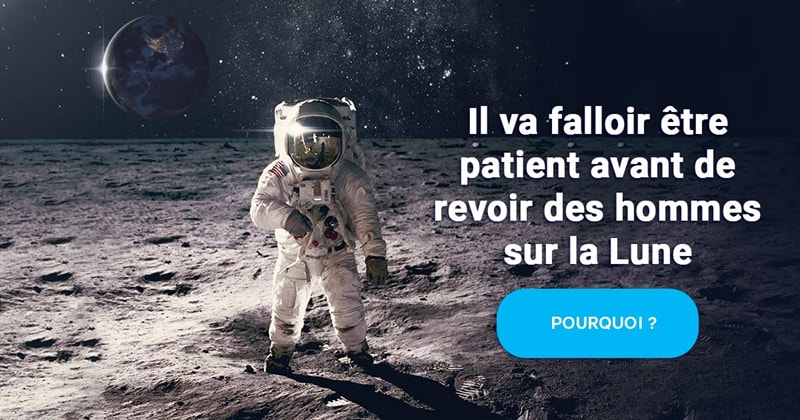
Aujourd’hui, l’homme ne retourne pas sur la Lune pour une raison très simple : il ne peut pas.